Background
Who are the Karen people?
The Karen, or Pwa K’nyaw as they call themselves are an ethnic group in Burma (Myanmar) and Thailand. In Burma or Myanmar, the Karen live mostly in the eastern border region of the country, especially in Karen State, Tenasserim Division, eastern Pegu Division, Mon State, Karenni and the Irrawaddy Division. There are Karen communities in at least 15 provinces in Thailand. The Karen people are culturally and linguistically diverse. The main spoken dialects of Karen language are S’gaw and Pwo. The Karen people practice different religions, and the three main religions are Animism, Buddhism, and Christianity.
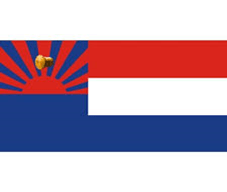
The Karen national flag consists of three main colors: red, blue, and white. On the top left corner is the traditional Karen frog drum to symbolize unity in the traditional Karen culture.
Karen Refugees
Karen people have long been subject to persecution and ethnic cleansing by the Burmese military regime. In Burma/Myanmar, many Karen suffer torture and abuse, including forced relocation, burning of villages, summary execution, and systematic rape among many other atrocities. Many Karen have fled to Thailand to seek safety and protection. Currently, over 90,000 refugees from Burma, mostly ethnic Karen, are living in protracted refugee situations in nine camps on the Thai side of the Thai-Burma border. The number of Karen IDPs in Burma has also increased since the Burmese military staged a coup in February 2021. Unlike their counterparts in refugee camps, the Karen IDPs in Burma lack security and protection and are in need of humanitarian assistance.
To learn more about the human rights violations against Karen people, please visit Karen Human Rights Group https://www.khrg.org/
Traditional Clothing
Traditional Karen weaving on a wooden loom is an important aspect of Karen culture and passed down from generation to generation. The type of traditional clothing worn by men and women varies on marital status:
- Karen men wear a Taegoo and a woven shirt (usually red) called Chayplo
- Unmarried women wear a long white dress known as Chaymohwah
- Married women wear a sarong and woven shirt called Chaymothoo
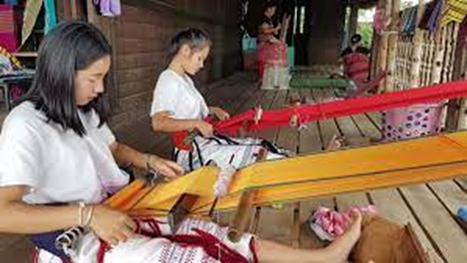
Most Karen people are subsistence farmers, and many live in small mountain villagers where they grow rice, vegetables and raise animals. The Karen’s cultural life and production activities are deeply embedded in a spiritual and holistic worldview. The forest is not only perceived as the source of all life, but also a dwelling place for different spirits, and thus treated with great care and respect.
Festivals
Karen New Year is celebrated on the First Day of Pyathoe on the Lunar calendar, which is generally the end of December or beginning of January. It marks the end of the harvest of one rice crop and the beginning of the next rice crop. Karen New Year is the largest celebration in the Karen community, and it is recognized as a national holiday in Burma/Myanmar.
Karen Wrist-Tying Ceremony is held in August (some celebrate at weddings too). It is rooted in the Animist belief to call back the spirits and bring good fortune. Monks and elders sit with a basket of 7 items in front of them: cold water, white threads, rice balls, triangular-shaped lumps of sticky rice in the packages, boiled bananas, paw woung flower branches, and sugarcane. They place each of these items in the participant’s hand and then tie a string around the wrist with yellow or white string. The meaning of the wrist tying is so the person is connected to one’s spirit and therefore can live free from fear.
 Karen Community of Canada
Leave a comment